


The Transition to ‘Green’ Operating Theatres
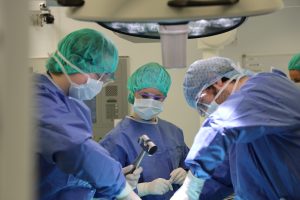
NOHC commenced its transition to sustainability in 2021, and the Hospital developed its initial strategy for 2022-2025. To date, we have made significant strides in reducing our carbon footprint. A considerable budget and effort have been devoted to infrastructure upgrades, operational efficiencies, and educational programmes encouraging green thinking and environmentally responsible behaviours.
NOHC’s primary focus is to provide our patients with the best and safest care. However, we must remain mindful of health economics and the factors that enable us to treat more patients. Similarly, awareness of our environmental responsibility to care for the planet is becoming increasingly important. In 2023, our attention shifted to the operating theatre, an area responsible for up to 70% of hospital-generated waste.
Researching Theatre Waste Generation
We initiated a research project to raise awareness of the substantial waste generated by our surgical workload. Significant technological advances in instruments and implants have been made, particularly in orthopaedic surgery. With this increase in the range of prostheses and inventory comes an increase in packaging for these products.
This study specifically examined the waste generated during the surgical treatment of osteoarthritis (OA) in the hip and knee, namely hip and knee replacement. Joint pain, a secondary effect of OA, is recognised as a leading cause of mobility impairments in older adults, and its prevalence has surged by 113% from 1990 to 2019. Globally, the number of joint replacements is rising, particularly for knee replacements. Joint replacement surgery produces a significant amount of clinical, domestic, and recyclable waste, mainly stemming from the packaging of implants, infection control measures, and other factors. Research has shown that improper waste disposal affects air quality, which can subsequently lead to additional health issues in the community.
This study was conducted at the National Orthopaedic Hospital Cappagh by Mr Arthur Drouaud, an exchange medical student from George Washington University, under the supervision of Prof. John O’Byrne, with substantial contributions from trainee Dr Peggy Miller. All the theatre personnel provided tremendous support, enthusiasm, and assistance. They are very aware of the amount of waste generated and enthusiastic about the prospects of reducing this waste or being more efficient at recycling or managing it.
Key Findings
The key findings were that Primary Knee Replacement generates 15.82 kg of CO2e, and Primary Hip replacement generates 14.64 kilograms of CO2e.
Revision knee replacement involves significantly more instruments, longer surgery times, and additional implants, resulting in 23.58 kg of CO2e emissions. Similarly, revision hip replacement generated an increased CO2 emission of 23.5 kg of CO2e.
This research examined carbon emissions, disposal cost estimates, and the different types of waste produced. A notable finding was that CSSD Blue Wrap contributes, on average, 13.5% of total operating room waste.
Working towards Greener Operating Theatres
This research and assessment of the waste we generate and the areas in which it is produced allow us to examine current practices and ensure that patient safety and infection control are not compromised. It also involves investigating the waste produced and making efforts to reduce it. It has become commonplace for sterilised and reused instruments to be replaced by single-use alternatives. The role of single-use instruments needs scrutiny, balancing infection control with waste disposal. It is also worth noting that the reuse of instruments and the sterilisation process have environmental consequences.
Despite the increasing prevalence of recycling within the community, operating theatres are slow to adopt this practice. This reluctance may arise from concerns about compromising sterility or infection control. However, operating room personnel are progressively scrutinising pre-packaged sets, for example, to ascertain whether some of the contents are seldom, if ever, utilised.
It is also essential to evaluate the quantity of packaging and waste generated. The debate over single-use items versus re-sterilising and recycling instruments is currently under discussion. Managing the significant amounts of material wrapped around sterile surgical sets is also under review. There is an intense desire and interest in this area of research and in reassessing our practices. This project has been gratifying as it has united all operating theatre personnel, who are collaboratively exploring ways to minimise waste and reduce the Hospital’s environmental impact.